
Over the past several years, **electricity prices in Thailand have continued to rise**, leading many households to look for ways to **reduce long-term energy costs**. One of the most popular technologies today is **solar panels (solar cells)**, also known as a **solar power generation system that produces electricity from sunlight**. ☀️⚡
Today, many homes, factories, office buildings, and businesses are installing solar panels to help reduce electricity costs by as much as 30–70% per month. In addition, solar energy is a clean and renewable energy source that helps reduce carbon emissions and protect the environment.
However, for those who have never studied this topic before, many questions may arise, such as:
What are solar panels?
How do solar panels work?
How many types of solar panels are there?
Which solar system is suitable for a home?
Is installing solar panels worth it?
How much does it cost to install solar panels, and how long does it take to pay back the investment?
This article is a Complete Solar Guide that explains everything from the basic concepts to choosing the right system for installation. It is designed to help beginners easily understand solar energy and decide whether installing solar panels is the right choice for them. ☀️⚡
What Are Solar Panels?
Solar cells, also known as photovoltaic cells (PV cells), are devices that can directly convert energy from sunlight into electricity.
The working principle of solar cells is called the Photovoltaic Effect, a physical phenomenon that occurs when light hits a semiconductor material, such as silicon. When sunlight strikes the solar cell:
Energy from sunlight excites the electrons.
The electrons begin to move.
An electric current is generated.
The electricity produced is Direct Current (DC).
This electricity is then sent to a device called an inverter, which converts it into Alternating Current (AC)—the type of electricity used by most household appliances.
Simply put:
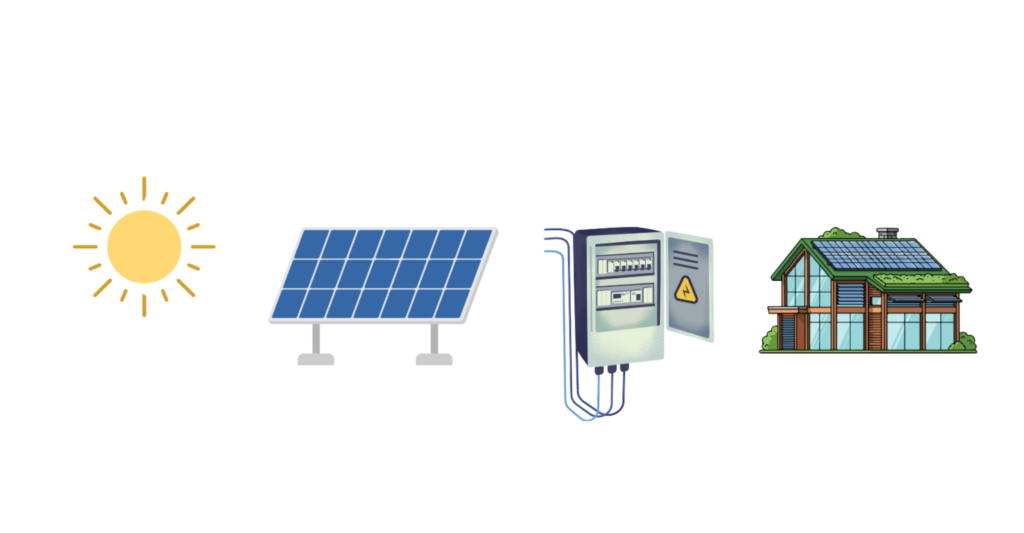
Sunlight + Solar Panels + Inverter → Electricity for Your Home
How Does a Solar Power System Work?
The operation of a residential solar power system can be simply summarized in four steps:
1. Solar panels capture sunlight
The solar panels absorb energy from sunlight.
2. Generate Direct Current (DC) Electricity
The cells inside the solar panel convert sunlight into electricity.
3. The inverter converts the electricity
It converts power from DC → AC.
4. Used in the Home
The electricity generated can be:
Used to power household appliances
Fed into the electricity grid
Stored in batteries for later use
How Many Types of Solar Panels Are There?
Currently, there are three main types of solar panels commonly used:
Monocrystalline Solar Panels
Advantages
Highest efficiency (18–23%)
Performs well even in low sunlight conditions
Long lifespan of 25+ years
Requires less installation space
Disadvantages
More expensive than other types
Best suited for
Homes with limited roof space
People who want maximum electricity generation
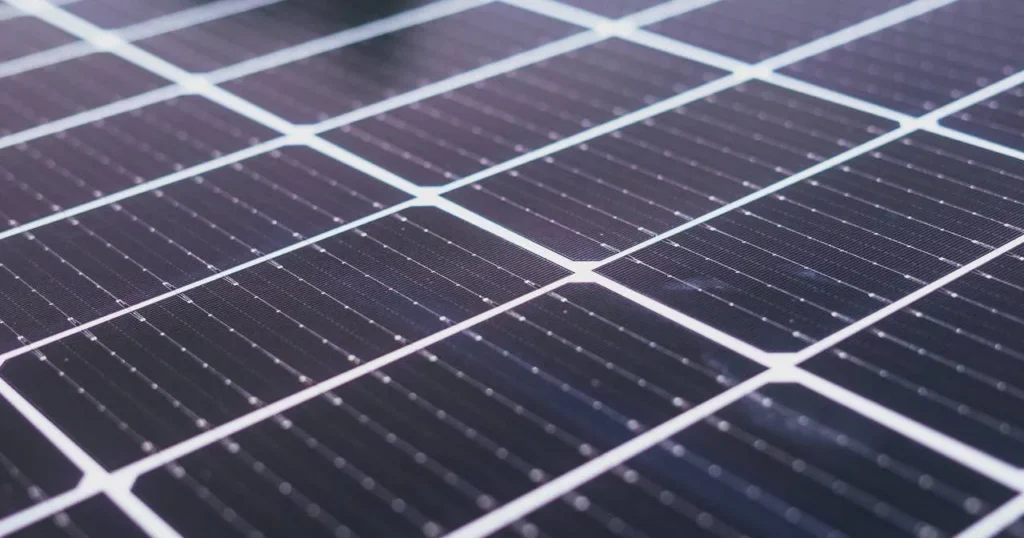
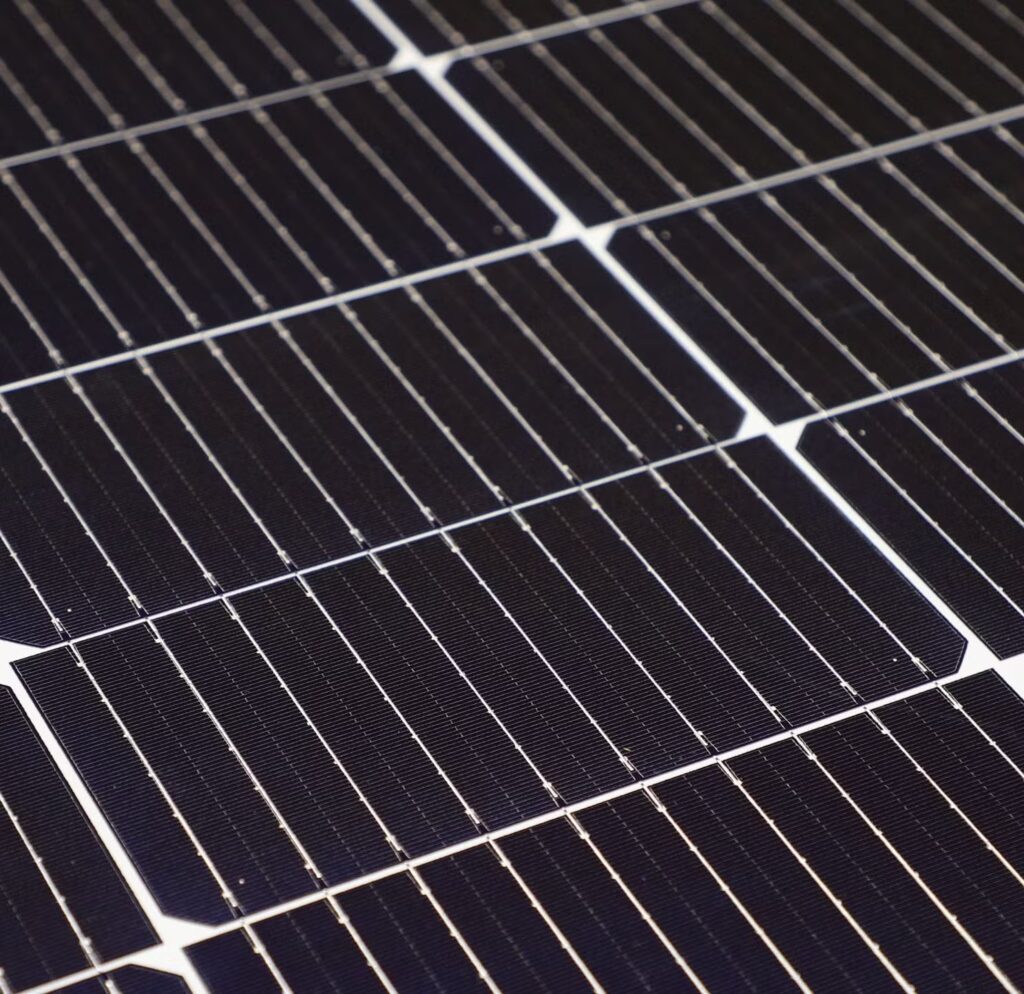
Polycrystalline Solar Panels
Advantages
Lower cost
Cost-effective investment
Disadvantages
Lower efficiency than monocrystalline panels
Requires more installation space
Best suited for
Homes with large roof areas that want to reduce installation costs
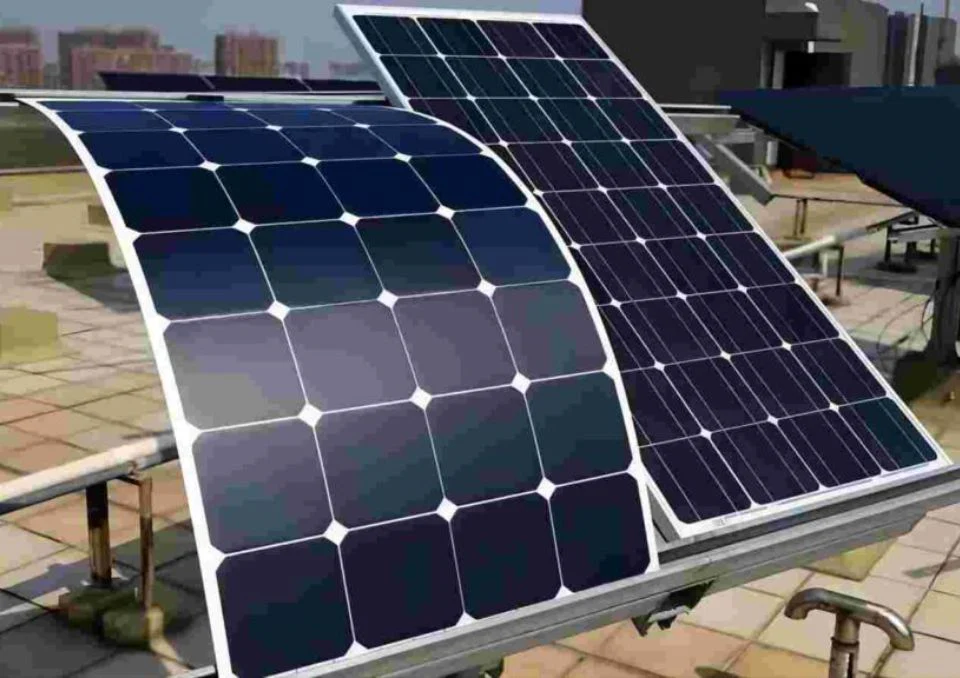
Thin-Film Solar Panels
Advantages
Lightweight
Flexible
Suitable for certain surface types
Disadvantages
Lower efficiency
Requires more installation space
Current usage
Thin-film panels are not commonly used for residential installations today. They are mostly used for:
Large buildings
Specialized applications
How Many Types of Solar Power Systems Are There?
Solar installations can be classified into three main types of systems:
On-Grid System
A system that is connected to the utility electricity grid.
Advantages
Lowest installation cost
No battery required
Easy maintenance
Limitations
The system will stop operating during a power outage
This is done for the safety of utility technicians ⚡
Off-Grid System
A system that is not connected to the utility electricity grid.
Required components
Battery storage
Charge controller
Best suited for
Homes in remote areas
Locations without access to electricity ⚡
Hybrid System
A system that combines both On-Grid and Off-Grid features.
Advantages
Includes battery backup for power outages
Can use electricity generated from solar panels
Can also connect to the utility grid
Best suited for homes that require
Backup electricity during power outages
What Types of Homes Are Suitable for Solar Panel Installation?
Homes that are suitable for installing solar panels generally have the following characteristics:
Electricity bills above 3,000 THB per month – the more electricity you use, the faster the payback period.
Roof with good sunlight exposure – the most suitable directions are south or west.
No shading – shadows from trees or nearby buildings can reduce the efficiency of solar panels.
Strong roof structure – the roof must be able to support the weight of the panels, approximately 15–20 kg per panel.
Is Installing Solar Panels Worth It?
Solar panels typically have a lifespan of 25–30 years.
The average payback period is around 3–7 years.
Example:
"A house with a monthly electricity bill of 5,000 baht can reduce its electricity bill by approximately 50-70%, equivalent to saving 2,500-3,500 baht per month. After the initial investment, all the electricity produced will be considered profit."
How much does it cost to install solar panels?
“A home with a monthly electricity bill of 5,000 THBthat installs a 5 kW solar system can reduce its electricity costsby approximately 50–70%, which equalssavings of about 2,500–3,500 THB per month. After the system pays back,all electricity generated is essentially pure profit.”
| System Size: Huawei | Solar Power System | Price (depending on the system size) |
|---|---|---|
| 3 kW + Battery | On Grid | Starting from 95,000 THB |
| 5 kW + Battery | On Grid | Starting from 118,000 THB |
| 10 kW + Battery | On Grid | Starting from 194,000 THB |
| System Size: Deye | Solar Power System | Price (depending on the system size) |
|---|---|---|
| 5 kW Solar System + Battery + Inverter | Hybrid | 149,000 – 176,000 THB |
| 10 kW Solar System + Battery + Inverter | Hybrid | 270,000 – 292,000 THB |
If you would like to know the price for other system sizes, please contact us and we will be happy to assist you.
We stand by your side with outstanding after-sales service.
Free solar panel cleaning and system inspection 3 times within the first 3 years (once per year) by our expert technician team.
Online system monitoring service by our professional engineering team, with real-time alerts and immediate guidance if any abnormalities are detected.
Installation warranty for 2–5 years, covering the mounting structure, electrical wiring, and potential roof leakage.