
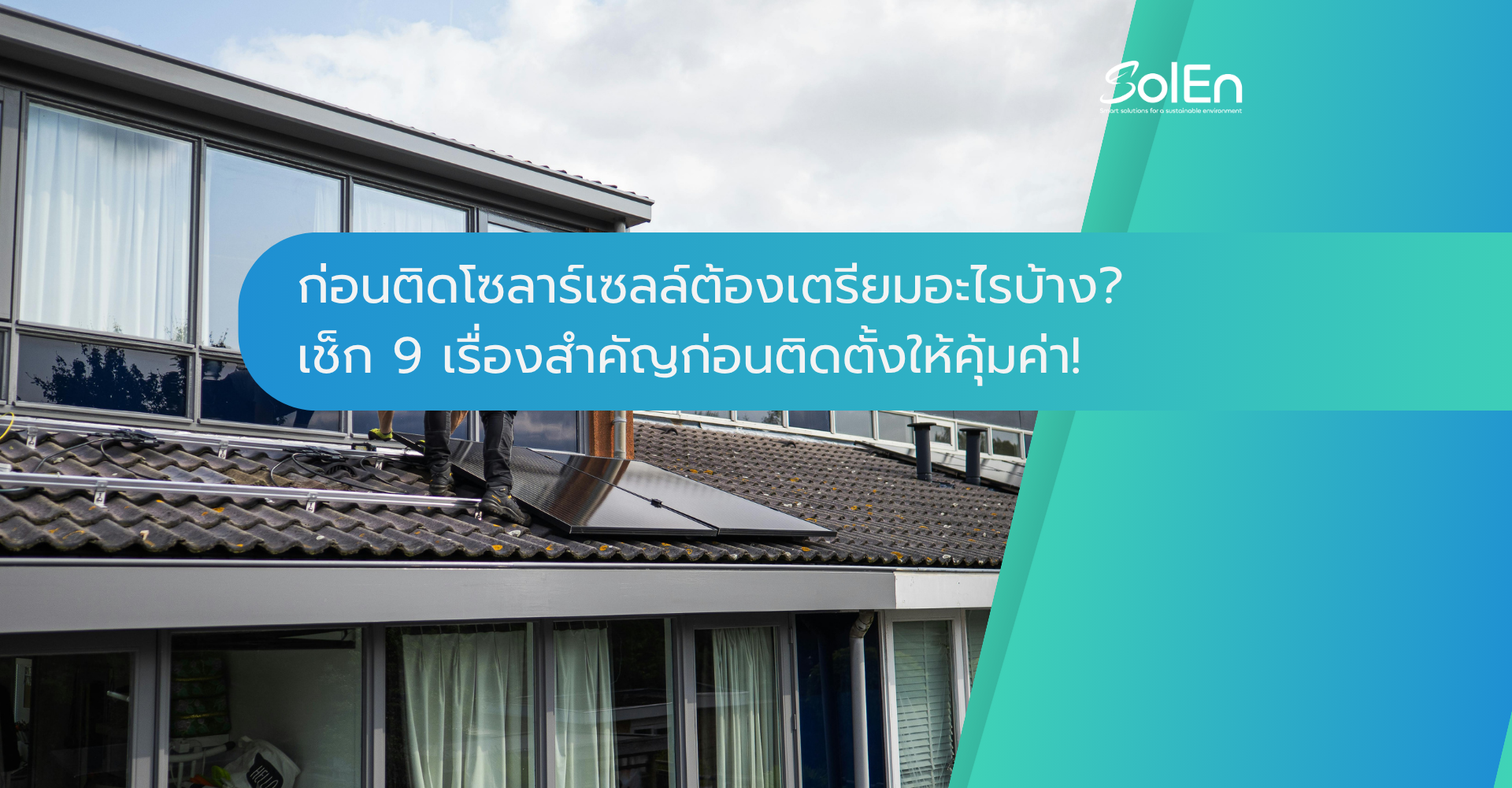
9 Key Factors to Consider Before Installing a Solar Energy System Ensure Efficiency, Safety, and Long-Term Cost Savings
Nowadays, solar panel installation is becoming increasingly popular among homeowners, office buildings, and industrial factories. Solar energy helps reduce electricity costs in the long term while also supporting the growing demand for clean and sustainable energy. However, many people still wonder what preparations are needed before installing a solar system to ensure maximum efficiency and the best return on investment.
This article will guide you through everything you need to know before installing solar panels — from site inspection, electrical system evaluation, and budget planning to choosing the right installation company — helping you make a more informed and confident decision.
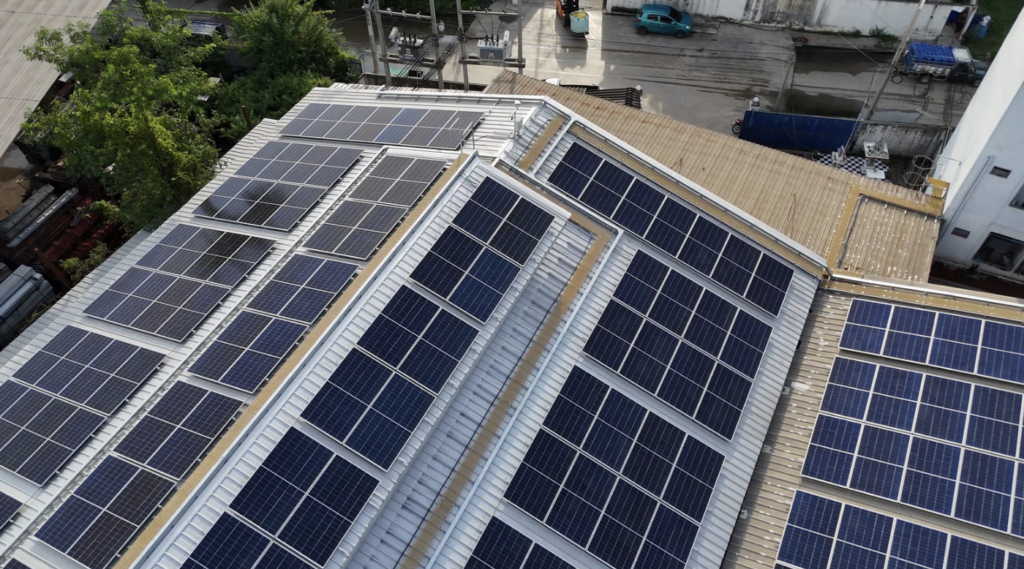
Review Your Electricity Consumption Before Installing Solar Panels The first step before installing a solar power system is to review your electricity usage over the past 6–12 months. This information is essential for determining the most suitable system size and ensuring the installation can efficiently meet your actual energy needs.
How to Check Your Electricity Consumption
Review your previous electricity bills
Check your electricity usage in kilowatt-hours (kWh)
Analyze the time periods with the highest electricity consumption
Recommended Solar System Sizes
Electricity bill of THB 2,000–3,000 → 3 kWp system
Electricity bill of THB 4,000–6,000 → 5 kWp system
Electricity bill of THB 10,000 or more → 10 kWp system or larger
If the system is too small, it may not reduce electricity costs efficiently. On the other hand, installing a system that is too large may result in a longer payback period.
Inspect Your Roof Space Before Installing Solar Panels The roof is one of the most important factors in solar power generation, as solar panels need sufficient sunlight exposure to produce electricity efficiently.
What to Check Before Installation
The direction of the roof
Whether the roof has sufficient installation space
Whether there are shadows from trees or nearby buildings
Whether the roof structure is strong enough to support the system
Estimated Installation Space Requirements
3 kW system requires approximately 15–20 sq.m.
5 kW system requires approximately 25–35 sq.m.
If the roof is old or has leakage issues, it should be repaired before installation, as removing and reinstalling the solar system later can be costly.
Check the Electrical System Inside Your Home Another important factor before installing solar panels is the electrical system within your home or building, as it directly affects both the safety and efficiency of the solar power system.
What Should You Check?
* Whether the electrical panel and circuit breakers can support the system
* Whether the electrical wiring is old or damaged
* Whether the electrical system is single-phase or three-phase
* Whether surge protection is installed
If the electrical system does not meet safety standards, upgrades or improvements may be required before installation.
Choose the Right Type of Solar Power System
On-Grid System
An On-Grid system is connected directly to the utility grid, making it suitable for homes and general businesses.
Advantages
* Cost-effective investment
* Faster return on investment
* Easy maintenance
Limitations
If a power outage occurs, the system will automatically shut down and cannot provide backup electricity.
Off-Grid System
An Off-Grid system is ideal for areas without access to the utility grid, as it uses batteries to store energy.
Advantages
* Can operate even during power outages
* Suitable for remote locations
Limitations
* Higher installation cost
* Requires additional battery maintenance
Hybrid System
A Hybrid system combines the advantages of an On-Grid system with battery backup storage. It is suitable for homes or businesses that require backup power during emergencies and have balanced electricity usage during both daytime and nighttime.
Plan Your Budget Before Installing Solar Panels Many people wonder whether installing solar panels is worth the investment. The answer depends on your budget and your overall electricity consumption.
Estimated Installation Costs
* 3 kWp system → THB 99,000 – 150,000
* 5 kWp system → THB 180,000 – 300,000
* 10 kWp system or larger → Pricing depends on site conditions
Average Payback Period
The average return on investment is approximately 3–5 years, depending on several factors, including:
* Your current electricity costs
* The type of solar power system installed
* Daytime electricity usage
* Equipment quality and overall system efficiency
Choose Standardized and High-Quality Solar Equipment A solar power system consists of several key components, and choosing equipment that meets recognized quality standards is essential for ensuring long-term performance, safety, and durability.
Key Components
* Solar panels
* Inverter
* Mounting structure
* Electrical protection system
How to Choose the Right Equipment
* Certified to recognized industry standards
* Comes with product warranties
* Provides after-sales service
* Has local support teams available in Thailand
How to Choose a Solar Installation Company Choosing the right solar installation company is one of the most important factors, as it directly affects the quality of the installation, system performance, and overall safety.
Tips for Choosing a Solar Installation Company
* Has proven installation experience and completed projects
* Provides professional engineering support throughout the process
* Holds the proper licenses and certifications
* Offers post-installation inspection and after-sales services
* Has positive customer reviews and feedback
Avoid choosing a company based solely on the lowest price, as this may lead to quality or maintenance issues in the long run.
Prepare the Required Documents for Installation Approval For On-Grid systems, approval is required to connect the solar power system to the utility grid.
Required Documents
* Copy of national ID card
* Copy of house registration document
* Electricity bill
* Electrical system design documents
In most cases, the installation company will assist with the entire application and approval process.
Plan for Solar System Maintenance Although solar power systems are relatively low maintenance, regular inspections and proper care are still important to ensure the system operates at maximum efficiency.
Basic Maintenance Tips
* Clean the solar panels 1–2 times per year
* Inspect the inverter regularly
* Monitor the system’s power generation performance
* Check electrical wiring and connection points
With proper maintenance, a solar power system can last more than 25–30 years.
FAQ: Frequently Asked Questions About Solar Panel Installation
Is Installing Solar Panels for Your Home Worth It?
Yes. Solar panel installation can significantly reduce electricity costs in the long term, especially for households with high daytime electricity usage. In addition to lowering energy expenses, solar power also helps increase property value and supports the use of clean, renewable energy. The average payback period is typically around 3–5 years, depending on system size and electricity consumption.
What Types of Homes Are Suitable for Solar Panel Installation?
Homes with sufficient roof space and good sunlight exposure throughout the day are ideal for solar panel installation. Roofs that face south, southeast, or southwest typically provide better solar energy production. Homes with high daytime electricity usage will also benefit the most from installing a solar power system.
How Long Do Solar Panels Last?
Most solar panels have an average lifespan of around 25–30 years. High-quality systems that are properly maintained can continue generating electricity efficiently for many years beyond that. Inverters and other components may require replacement or maintenance during the system’s lifetime, depending on usage and equipment quality.
Can Solar Panels Still Be Used During a Power Outage?
It depends on the type of solar power system installed. Standard On-Grid systems will automatically shut down during a power outage for safety reasons, so they cannot supply electricity. However, Hybrid and Off-Grid systems with battery storage can continue providing backup power when the grid is unavailable.
Summary: What Should You Prepare Before Installing Solar Panels?
Before installing a solar power system, it is important to evaluate your electricity usage, roof space, electrical system, and budget, as well as choose a reliable and certified installation company. Proper planning helps ensure the system operates efficiently, safely, and provides long-term value.
Being well-prepared from the beginning can help minimize future issues, reduce electricity costs effectively, and maximize the return on your clean energy investment for years to come.